What Is Pickleball Elbow and How Is It Treated?
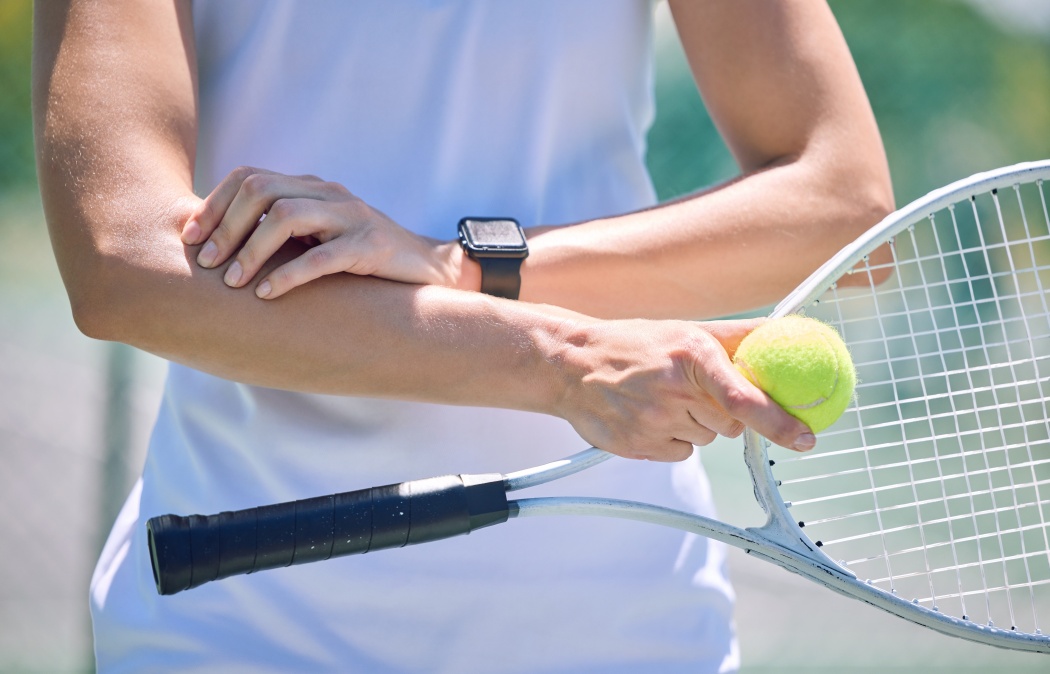
Pickleball has quickly become one of the fastest-growing sports in the United States, especially among adults looking for a fun and social way to stay active. But with its rise in popularity has come an increase in a familiar overuse injury now often called “pickleball elbow.” Medically, this condition is still known as lateral epicondylitis, or what many people have long called tennis elbow.
At Allied Pain & Spine Institute, with locations in San Jose, Los Gatos, Morgan Hill, and San Leandro, we help patients find effective, non-surgical solutions to relieve pain and restore function so they can get back to the activities they enjoy.
What Is Pickleball Elbow?
Pickleball elbow is a condition caused by inflammation or micro-tears in the tendons that attach to the outside of the elbow. These tendons help control wrist and arm movements. Repetitive strain, especially from gripping and swinging a paddle, can overload the tendons and lead to pain.
While the name may be new, the condition itself is not. Studies estimate that up to 3% of adults experience tennis elbow each year, and racquet sports like pickleball are a common trigger.
What Causes It?
Pickleball elbow develops over time due to repeated stress on the forearm muscles and tendons. Common causes include:
- Repetitive arm motions: Frequent swinging, especially with improper form
- Overuse: Playing for long periods without enough rest
- Improper equipment: Using a paddle that’s too heavy or has the wrong grip size
- Muscle weakness or imbalance: Poor conditioning in the forearm and wrist
- Sudden increase in activity: Jumping into frequent play without gradually building strength
Even people who don’t play pickleball can develop this condition through similar repetitive motions at work or during other activities.
Common Symptoms
Symptoms of pickleball elbow can range from mild discomfort to more persistent pain that interferes with daily tasks.
You may notice:
- Pain or burning on the outside of the elbow
- Weak grip strength
- Discomfort when lifting, gripping, or twisting objects
- Pain that worsens with activity and improves with rest
In some cases, even simple movements like holding a coffee cup or turning a doorknob can become uncomfortable.
Non-Invasive Treatment Options
The good news is that most cases of pickleball elbow can be treated without surgery. At Allied Pain & Spine Institute, we focus on personalized, conservative care to reduce pain and support healing.
Medications and Injection Therapy
Anti-inflammatory medications can help reduce pain and swelling in the early stages. For more persistent cases, we offer targeted injection therapies designed to relieve pain and promote tendon healing.
Physical Therapy and Rehabilitation
Structured physiotherapy programs are highly effective in restoring strength and flexibility. Exercises are designed to improve muscle balance and reduce strain on the affected tendons.
Massage and Manual Therapy
Therapeutic massage can help relieve muscle tension, improve circulation, and support recovery in the surrounding tissues.
Electrotherapy
Techniques such as electrical stimulation may be used to reduce pain signals and encourage healing at the cellular level.
Acupuncture
Acupuncture is another option that may help reduce inflammation and improve overall pain control for some patients.
Getting Back to What You Love
Most people recover from pickleball elbow with the right combination of treatments and activity modifications. Early intervention is key. Addressing symptoms before they worsen can significantly shorten recovery time and prevent long-term issues.
If you’re experiencing elbow pain that’s affecting your game or your daily life, the team at Allied Pain & Spine Institute is here to help. With multiple convenient locations in the San Jose area and a focus on non-invasive care, we’ll work with you to create a treatment plan that supports healing, restores mobility, and gets you back in motion. Call one of our centers today to schedule your appointment.
Posted on behalf of Allied Pain & Spine Institute