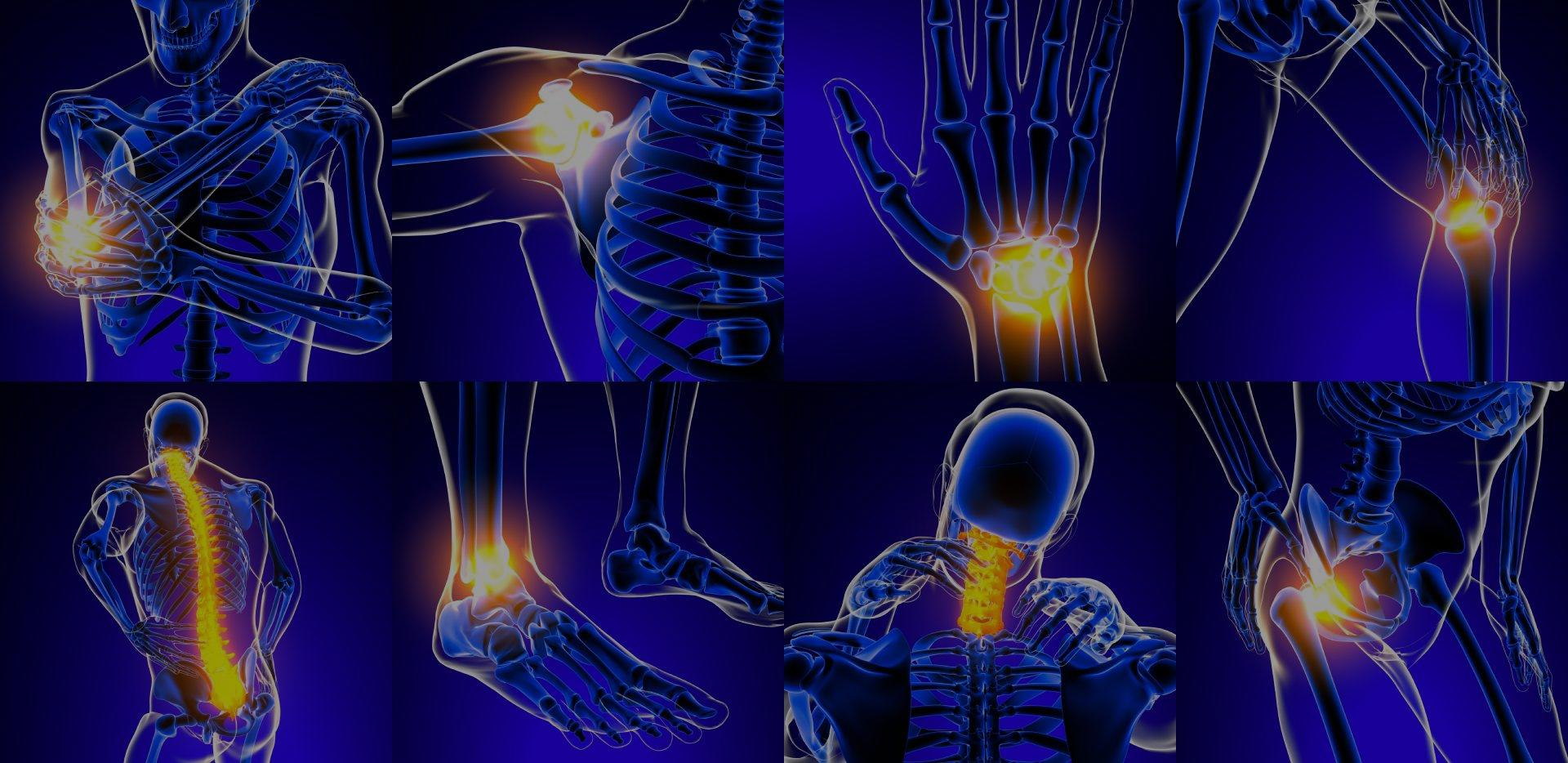
How Does Osteoarthritis Impact the Spine?
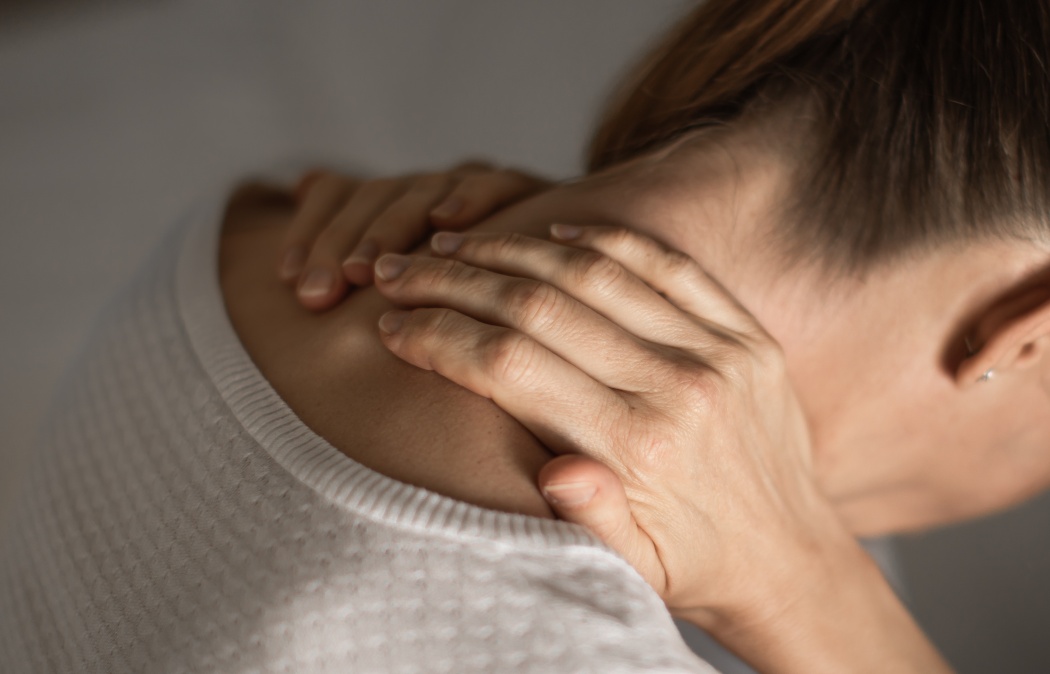
Osteoarthritis is the most common form of arthritis, affecting more than 32 million adults in the United States. While it is often associated with hips and knees, osteoarthritis frequently impacts the spine. At Allied Pain & Spine Institute, with locations in San Jose, Los Gatos, Morgan Hill, and San Leandro, we provide individualized treatment plans to help patients manage spinal osteoarthritis and restore quality of life.
Spinal osteoarthritis occurs when the cartilage that cushions the joints between the vertebrae gradually wears down. These joints, called facet joints, allow the spine to bend and twist. As cartilage deteriorates, bones may rub together, leading to inflammation, stiffness, and pain.
Why the Spine Is Vulnerable
The spine supports the body’s weight and allows for constant movement. Over time, repeated stress and natural aging contribute to wear and tear. In fact, imaging studies show that more than 80 percent of adults over age 60 have some degree of degenerative changes in the spine, even if they do not always experience symptoms.
Risk factors for spinal osteoarthritis include aging, prior spinal injuries, obesity, poor posture, and genetic predisposition. The lower back and neck are most commonly affected due to the mechanical demands placed on these regions.
Common Symptoms of Spinal Osteoarthritis
Symptoms can develop gradually and vary in severity. Some people experience mild stiffness, while others have chronic pain that limits daily activities.
Common signs and symptoms include:
- Persistent neck or lower back pain
- Morning stiffness that improves with movement
- Reduced flexibility or range of motion
- Tenderness over affected joints
- Pain that worsens with prolonged standing or activity
- Radiating discomfort if bone spurs irritate nearby nerves
In more advanced cases, inflammation and bone spur formation can narrow the spinal canal, a condition known as spinal stenosis. This may lead to numbness, tingling, or weakness in the arms or legs.
Individualized Treatment Options
Treatment for spinal osteoarthritis at Allied Pain & Spine Institute is tailored to the individual. Our spinal physicians evaluate the acuteness of pain, the degree of facet joint damage, and overall health before recommending a plan.
Conservative therapies are typically the first line of treatment and may include:
- Chiropractic care to improve spinal alignment
- Physiotherapy to strengthen supporting muscles
- Medications to reduce inflammation and discomfort
- Acupuncture to help manage chronic pain
- Regenerative medicine approaches aimed at reducing inflammation and supporting joint health
- Injection therapies such as facet joint injections or epidural steroid injections
Injection therapies can reduce inflammation directly at the source of pain, often providing significant relief and improving mobility.
When Is Surgery Considered?
Minimally invasive spine surgery is considered only when conservative approaches are unsuccessful, and symptoms significantly affect daily life. Advances in surgical techniques have improved recovery times and outcomes, but surgery is typically reserved for patients who do not respond to non-surgical care.
The goal is always to relieve pain, restore function, and improve quality of life while using the least invasive method possible.
Regaining Comfort and Mobility
Living with spinal osteoarthritis can be challenging, but effective treatment options are available. Early intervention often leads to better long-term outcomes and may help slow the progression of symptoms.
At Allied Pain & Spine Institute, our multidisciplinary team is committed to providing comprehensive, patient-centered care across our San Jose, Los Gatos, Morgan Hill, and San Leandro locations. With the right combination of therapies, many patients experience meaningful relief and renewed mobility. Contact us today to schedule your spinal osteoarthritis consultation.
Posted on behalf of Allied Pain & Spine Institute